

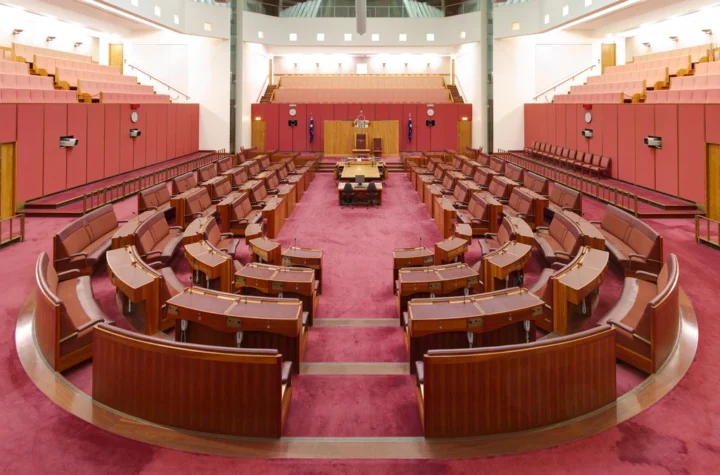
Australia’s age pensioners would carry about half the cost of the government’s plan to cut the private health insurance rebate for people aged 65 and over, according to the Parliamentary Budget Office, Parliament’s independent costing unit. On 7 October a Senate committee recommended that the bill be passed anyway, and the decision now moves to a Senate where the opposition has promised to block it and the Greens are weighing an exemption for pensioners.
For health funds, the timing is awkward. Insurers are expected to lodge their 2027 premium applications by mid-November, before senators have voted, which means pricing for a membership shock that may or may not arrive. The private health insurance rebate is a federal subsidy that reduces the premium a policyholder pays, and it has been more generous for older Australians for more than two decades. Here is what the change does, who pays for it and what it means for the funds and hospitals on the other side of the policy.
What the Rebate Change Actually Does
The Private Health Insurance Amendment (Modernising the Private Health Insurance Rebate) Bill 2026 removes the extra rebate paid to older people. Today, a single person earning up to $105,000 a year receives a rebate of up to 24.118% if they are under 65, up to 28.139% if they are 65 to 69, and up to 32.158% if they are 70 or older. From 1 April 2027, all three groups would receive the same 24.118% for their income tier.
Health Minister Mark Butler announced the change at the National Press Club on 22 April. The government puts the saving at about $3 billion over four years and has said the money will go to aged care. By its count, about 3.2 million Australians aged 65 and over would be affected, and the Department of Health estimates the average additional cost at about $252 a year per affected person. When the change was announced, ABC News reported an average increase of between $226 and $255 a year.
Butler introduced the bill in June. The Senate Community Affairs Legislation Committee, a cross-party Senate committee that examined it before any Senate vote, published its report on 7 October with a majority recommendation to pass it.
The Government’s Case: Fairness Between Generations
Butler has framed the higher rebate as a policy whose time has passed. It was introduced in the mid-2000s when, in his words, “government coffers [were] reaping the benefits of the China boom”. He has called it “not fair between generations” and said that “in 2026, it’s a policy that’s harder to defend.” He acknowledged the politics directly: “I understand this won’t be a welcome decision for many, but it’s the right thing to do.”
The aged care spending is the other half of the argument. As reported by The Conversation, the package includes about $1 billion to remove co-payments for showering and personal services in home care packages, funding for 5,000 additional aged care beds a year by 2030, and more than $200 million for expanded dementia care. Butler’s stated aim is to “return the rebate for older Australians back to the level paid for everyone else and divert the money back into aged care.”
Even the industry’s peak body has conceded part of that point. When the change was announced, Private Healthcare Australia chief executive Dr Rachel David said the move would “hurt consumers” and private hospitals, but added that “health funds recognise this group receives significant benefits that could be better targeted elsewhere.”
Where the Cost Actually Lands
The sharpest numbers come from the Parliamentary Budget Office. Its analysis found that about 1.5 million age pensioners hold private cover and would bear around half the policy’s financial burden, roughly $1.6 billion of the projected savings. About 70% of the three million or so privately insured Australians aged 65 and over live on incomes of $55,000 or less, according to figures reported by Insurance Business.
The dollar impact depends heavily on the level of cover. Private Healthcare Australia estimates that a person aged 70 or over with Gold hospital cover, the most comprehensive tier, would pay around $807 more a year, or $1,614 for a couple. Members Health Fund Alliance, which represents member-owned and not-for-profit funds, puts the effective premium increase at around 9% for directly affected members, with some facing increases closer to 12%.
That arrives on top of rising premiums. The industry-wide average increase approved for April 2026 was 4.41%, but Gold policies rose 13.3% on average, and the share of members on Gold cover has fallen from 40% in 2020 to 30% in 2025, according to the same trade reporting. For a retiree on a fixed income, the rebate cut and the next premium round would land in the same month.
“This policy will hit older Australians who are living on fixed incomes and have very limited capacity to absorb additional costs,” Dr David said in a statement after the committee report. “Australians should not have to choose between paying their health insurance premiums and paying household bills.”
What It Means for Health Funds and Private Hospitals
The business question is how many older members leave or downgrade, because those decisions move revenue for insurers and patient volumes for private hospitals. The forecasts differ widely. Department of Health modelling cited in the committee process projects about 44,000 fewer adults aged 65 and over holding cover by 2028-29. Private Healthcare Australia projects 62,000 people will drop cover. Catholic Health Australia, a hospital industry body, estimates that about one in five affected people, roughly 665,000, would downgrade within three years, against a government assumption of about one in 75 changing their cover.
Private hospitals have little room to absorb a fall in insured patients. Catholic Health Australia reported that the private hospital sector recorded a $756 million operating loss in 2024-25. Actuarial analysis reported by Insurance Business found the change would reduce rebate spending by around $482 million but shift approximately $547 million in additional costs onto public hospitals, as older patients who drop cover are treated in the public system instead. The government’s own analysis acknowledged that the full cost shift to public hospitals “cannot be reliably quantified”.
Coverage is already finely balanced. At 30 June 2026, 45.8% of Australians held hospital cover and 55.5% held general treatment, or extras, cover. Older members weigh heavily in that picture because they are the group most likely to draw on their cover, a point made by both sides of the argument. “There is a large cohort of older Australians with chronic conditions who rely on the private system,” Dr David has said.
What the Committee and Its Critics Said
The committee’s government majority recommended the bill be passed. Two dissenting reports disagreed. The Coalition, the Liberal and National parties in opposition, pointed to inadequate consultation and limited modelling, and cited a 2023 Finity Consulting report commissioned by the Department of Health that found the age-based rebate provided “good value”. The Greens raised concerns that pensioners and others on fixed incomes could be “forced to downgrade their cover or cut spending on essentials such as food, heating and cooling”, and warned of added pressure on public hospitals.
Matthew Koce, chief executive of Members Health Fund Alliance, argued that the people affected had followed decades of government advice. “Many of these Australians did exactly what successive governments encouraged them to do,” he said. Shadow Aged Care Minister Anne Ruston accused the government in April of “targeting” older Australians during a cost-of-living squeeze.
The Senate arithmetic is now the deciding factor. The Coalition has vowed to block the bill, and the Greens have said they will not support it in its current form and are reportedly considering amendments, including an exemption for pensioners. A carve-out of that kind would remove the group carrying half the cost, and with it a large share of the saving the government wants for aged care.
What Health Funds and Policyholders Should Watch
Three dates matter. The first is the Senate vote, which has not yet taken place and whose outcome is uncertain. The second is mid-November, when funds lodge their 2027 premium applications and must decide how much of a potential membership loss to price in before the law is settled. The third is 1 April 2027, when both the rebate change and the next premium round would take effect together.
For funds, the risk runs both ways. Pricing for heavy losses that never come would make cover dearer for everyone; pricing for none and then losing tens of thousands of older members would leave a gap in the books. For hospitals, the exposure is in volume, particularly in procedures older patients rely on. DailyBusiness.News has looked at how other Australian industries are absorbing structural shocks this year, including the Whyalla steelworks furnace that went cold and took 600 jobs with it, and the private health system now faces its own test of how a single policy decision moves through a whole sector.
For older policyholders, nothing changes before April 2027, and the bill may yet be amended. Dr David summed up the industry’s view of what is at stake: “This debate is ultimately about whether Australia should be making healthcare more affordable or less affordable for older people.” The government’s answer, so far, is that the money does more good in aged care, and the Senate will decide which argument carries.
About The Author





More Stories
Alex Frost Steps Down at the Tote as It Quits Online Gaming
Nike Marketing Spend Rose 5% in a Quarter Its Sales Fell 4%
Micron Cannot See the End of the Memory Shortage